A piece of sushi is so neat that it hides the animal it came from. This is my attempt to put the fish back together: the Japanese name, how to say it, the English name, the whole creature, its season, and what the chef does to make it taste like that.
The counter is where species, season and technique collapse into one bite.The topping is neta; the seasoned rice underneath is shari.
Start with the language
The menu name is not always the animal
Akami, chūtoro and ōtoro can all come from one tuna. Engawa is the fin-driving edge of a flatfish. Kohada and shinko are different sizes of the same gizzard shad. Then a broad word like saba can cover more than one mackerel. So this guide keeps four labels apart: the counter name, its reading, the English market name and the actual species.
ネタ · neta
The topping or prepared ingredient.
しゃり · shari
The seasoned rice under it.
旬 · shun
The moment an ingredient is considered at its seasonal best.
仕事 · shigoto
The chef’s work: salting, curing, simmering, ageing, scoring or brushing.
58 counter names · 7 families of toppings
The neta atlas
Search the menu word, Japanese spelling, English fish or even a scientific name. Every card now puts a real photograph of the prepared topping beside the whole animal. When a reusable exact photo does not exist, the caption says precisely what the reference photo is instead of quietly swapping species.
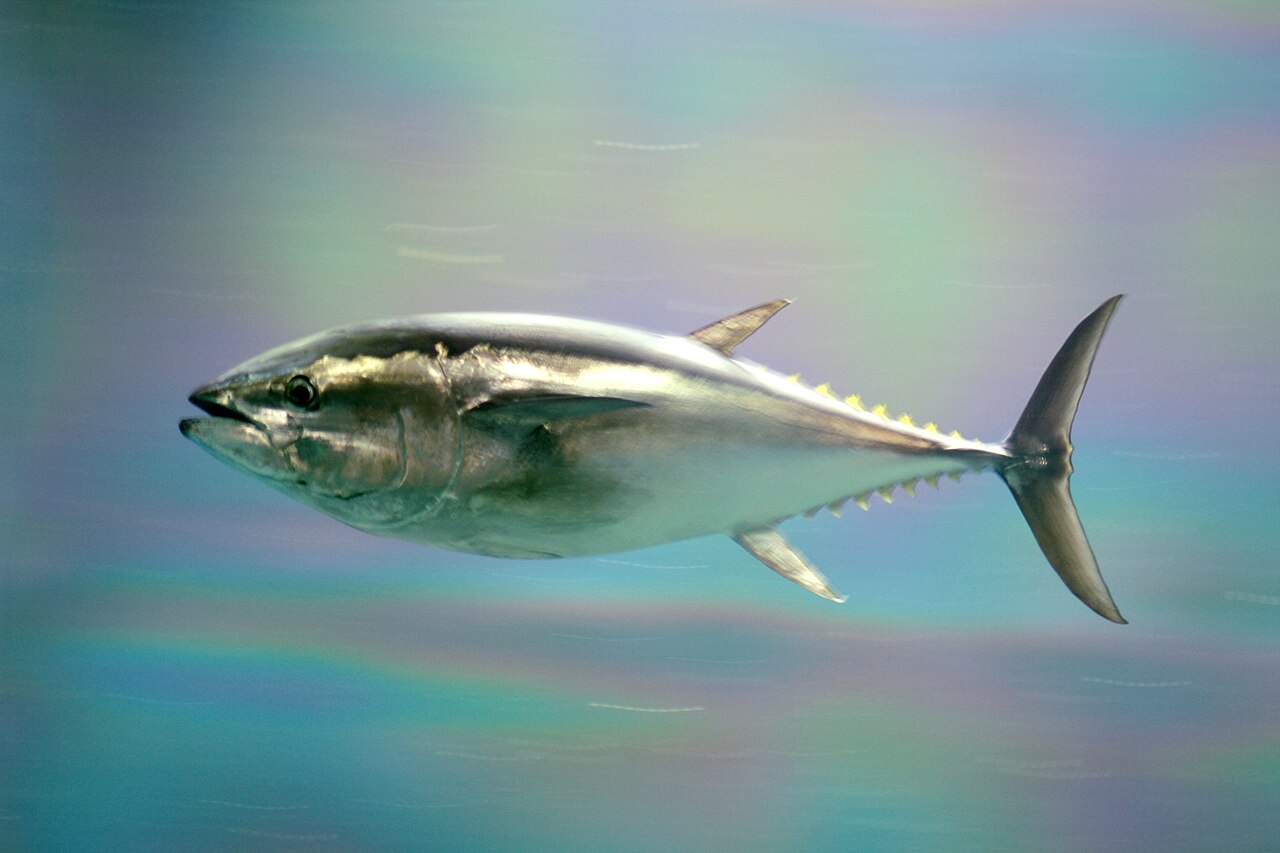
Whole ingredient · Tuna; Pacific bluefin is the reference fish shown
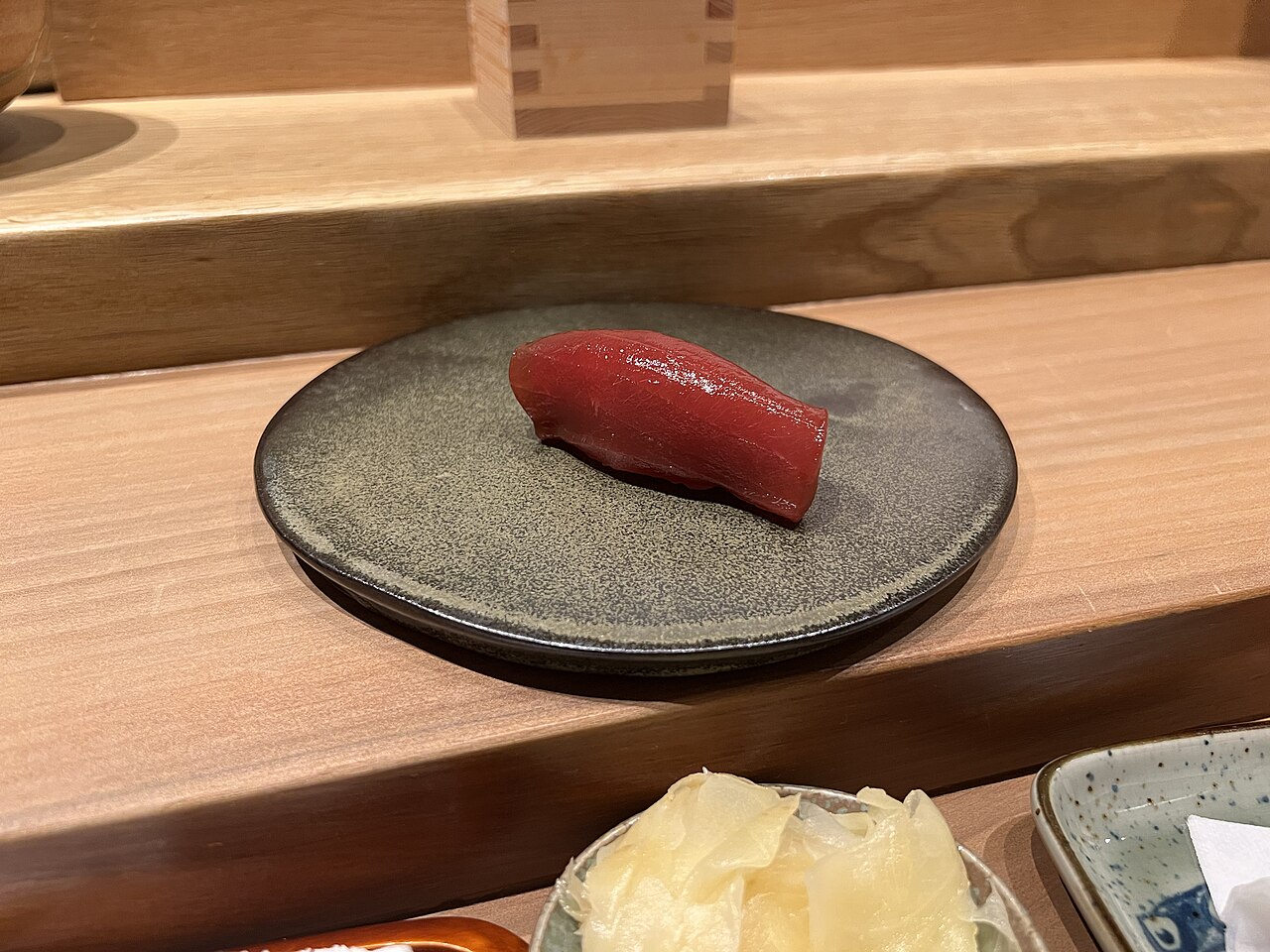
Prepared view · real photograph of this topping
Tuna & red muscle
赤身
あかみakamisay it: ah-kah-mee
EnglishLean tuna
Akami is a cut, not a species. It is the lean red muscle, mainly from the back and core of the loin.
Actual animal
Tuna; Pacific bluefin is the reference fish shown
Scientific name
Thunnus orientalis
Family
Scombridae · mackerels and tunas
Season
Tuna is served year-round; wild bluefin condition varies by stock and migration.
Habitat
A fast, warm-bodied pelagic predator that crosses the North Pacific.
Taste & texture
Clean acidity, iron, deep savoury flavour and a firmer bite than toro.
At the counter
Often aged, brushed with nikiri or marinated briefly as zuke.
The nerdy bit
Its red colour comes from abundant myoglobin in continuously working swimming muscle.
Lean tuna carries proportionally more protein than toro; ageing lets ATP break down toward IMP, one contributor to umami.
58 ingredients
Open a card for its paired photographs, biology, season, preparation and source trail.
Species, lobe size and the box it arrived in
Uni needs its own map
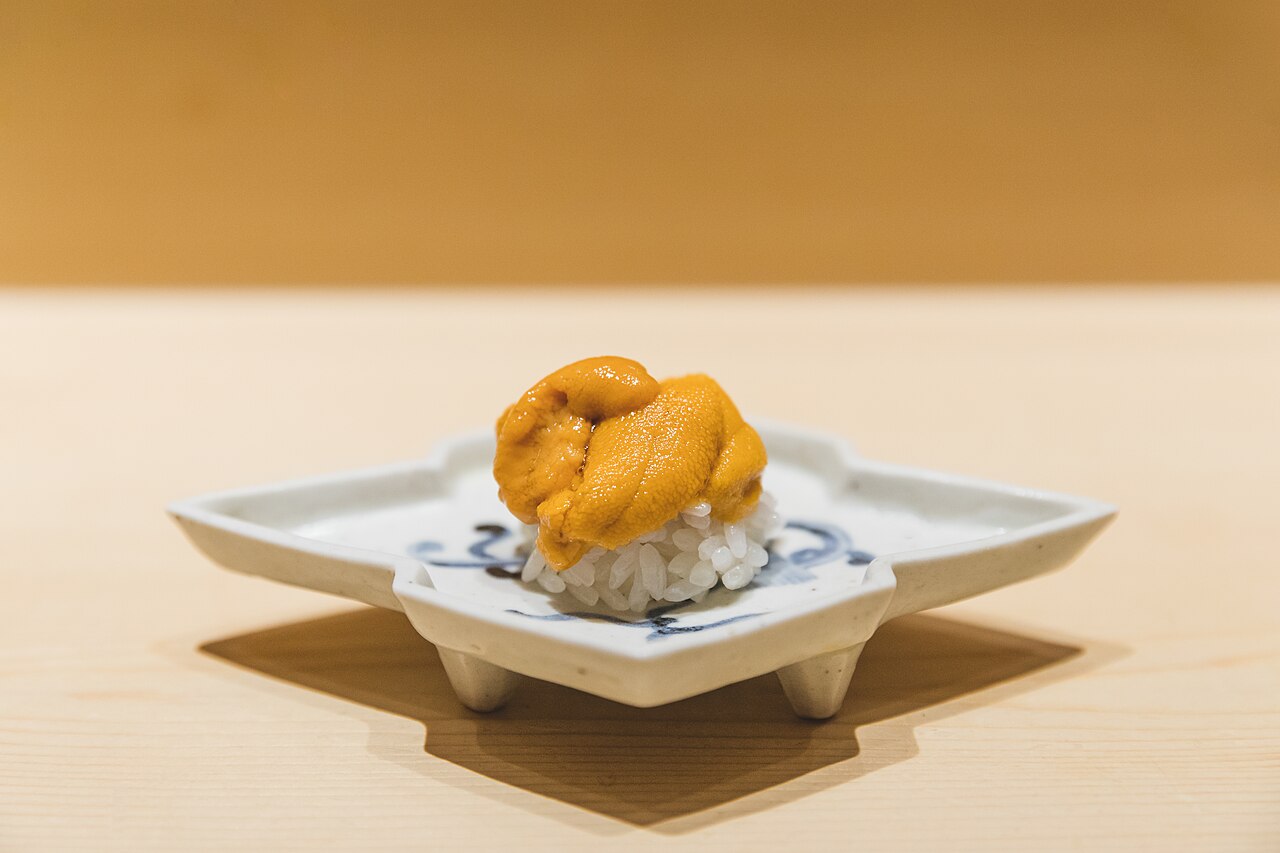
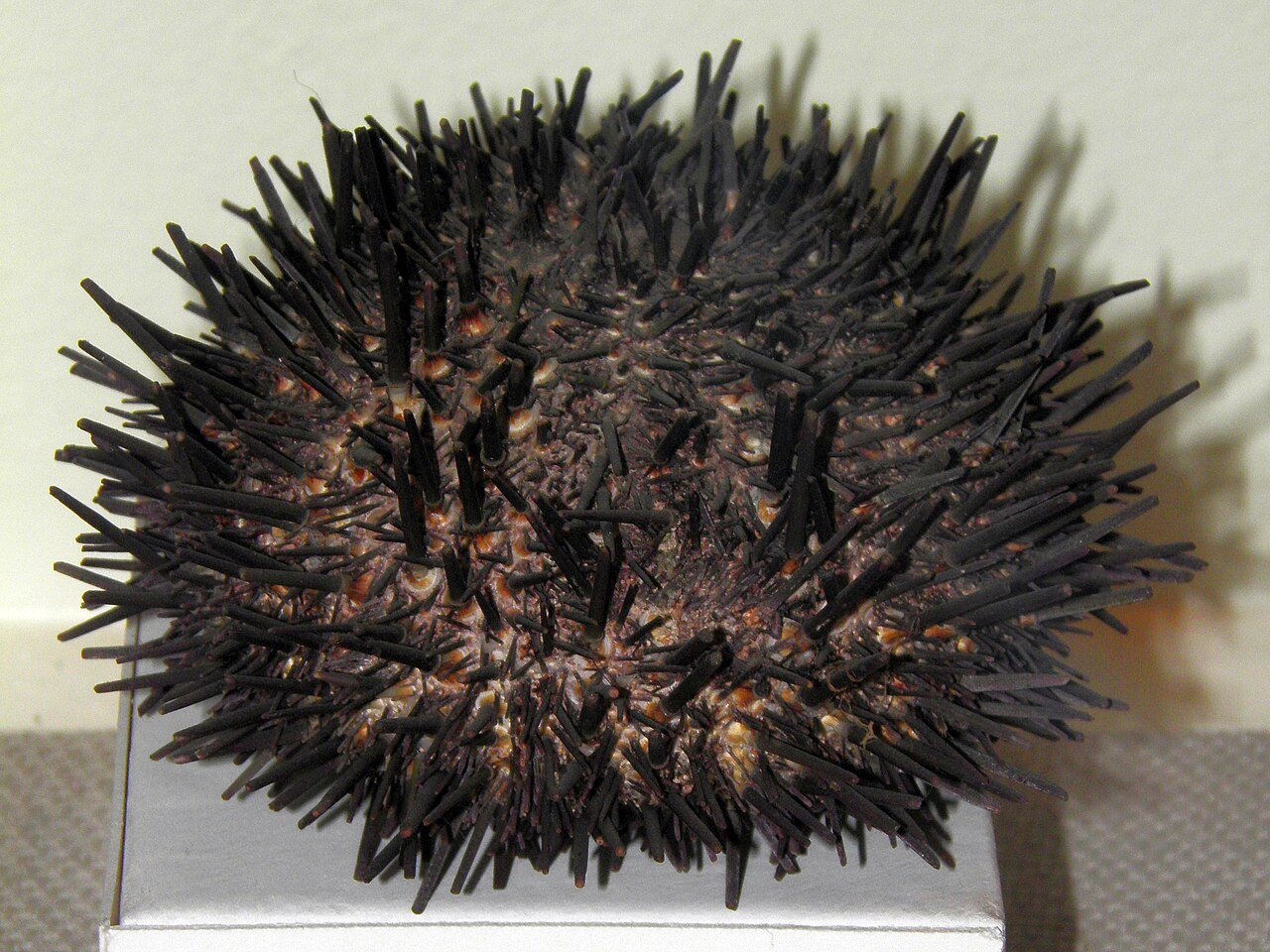
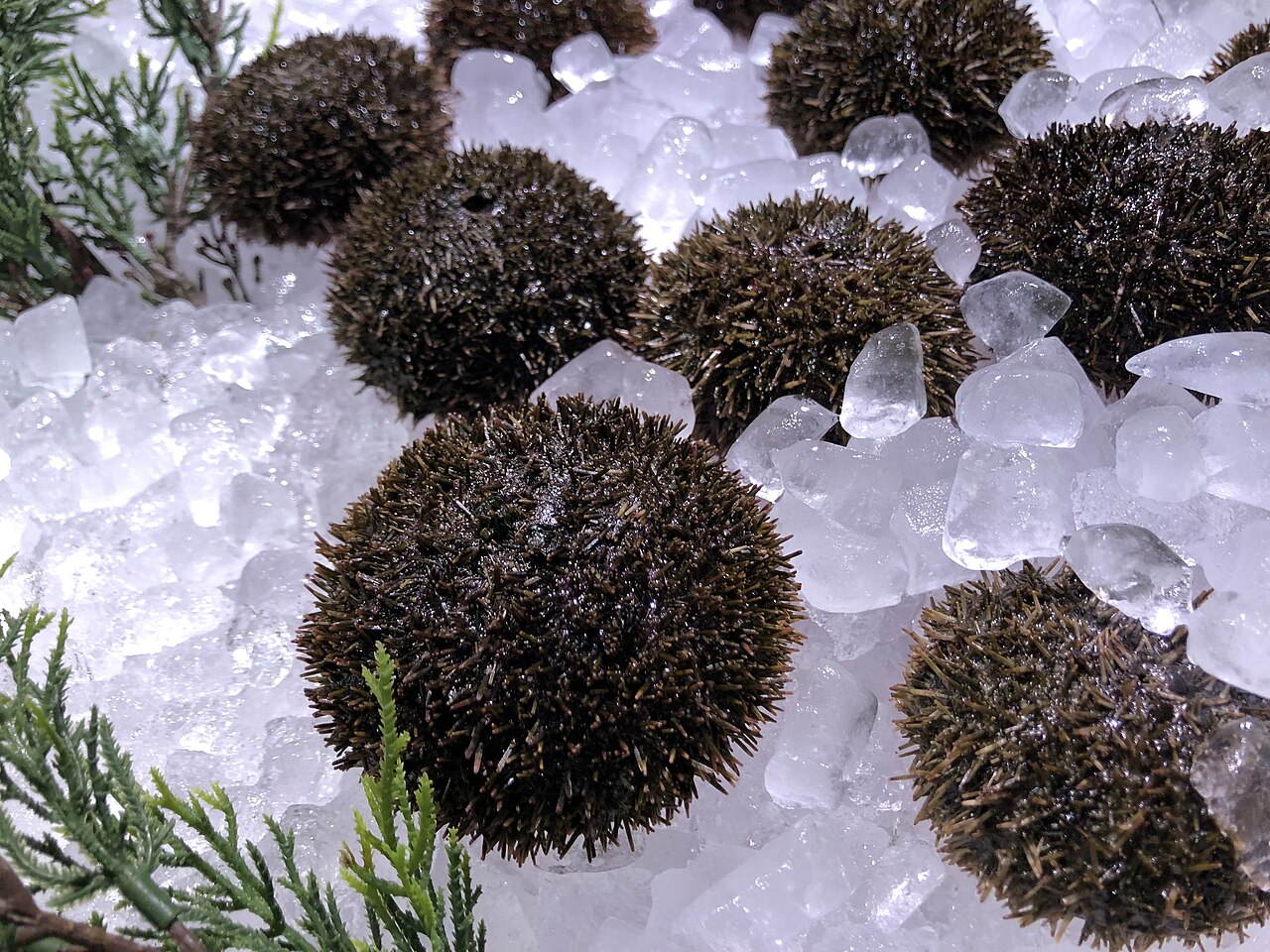
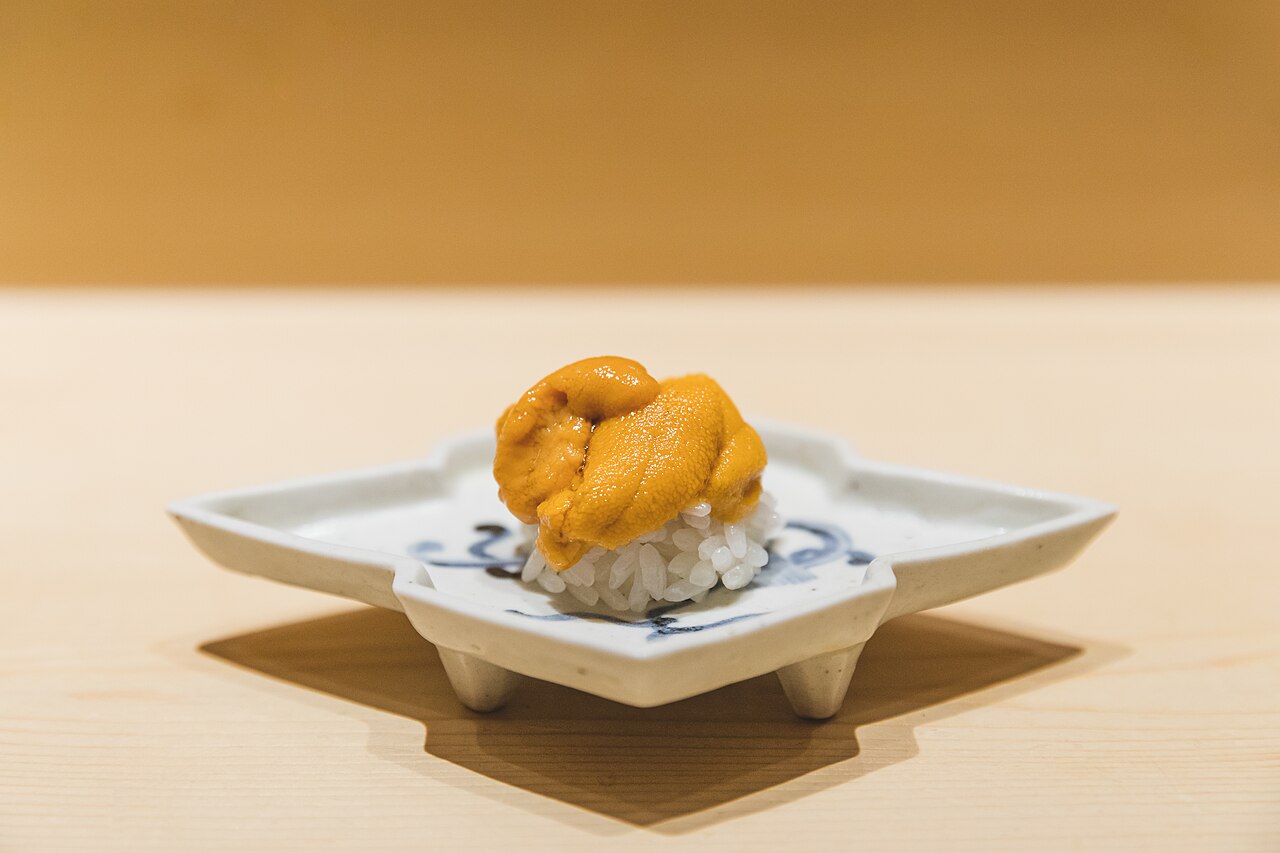
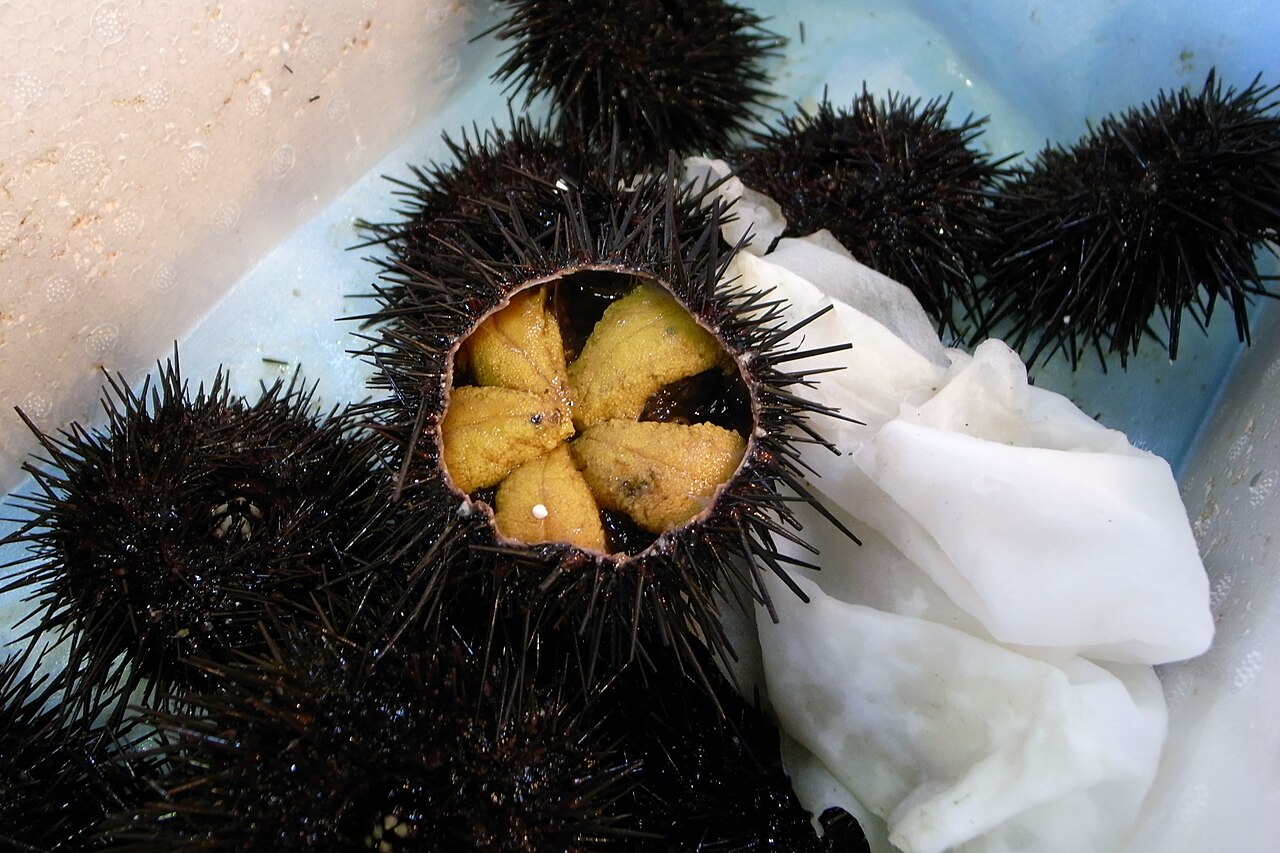
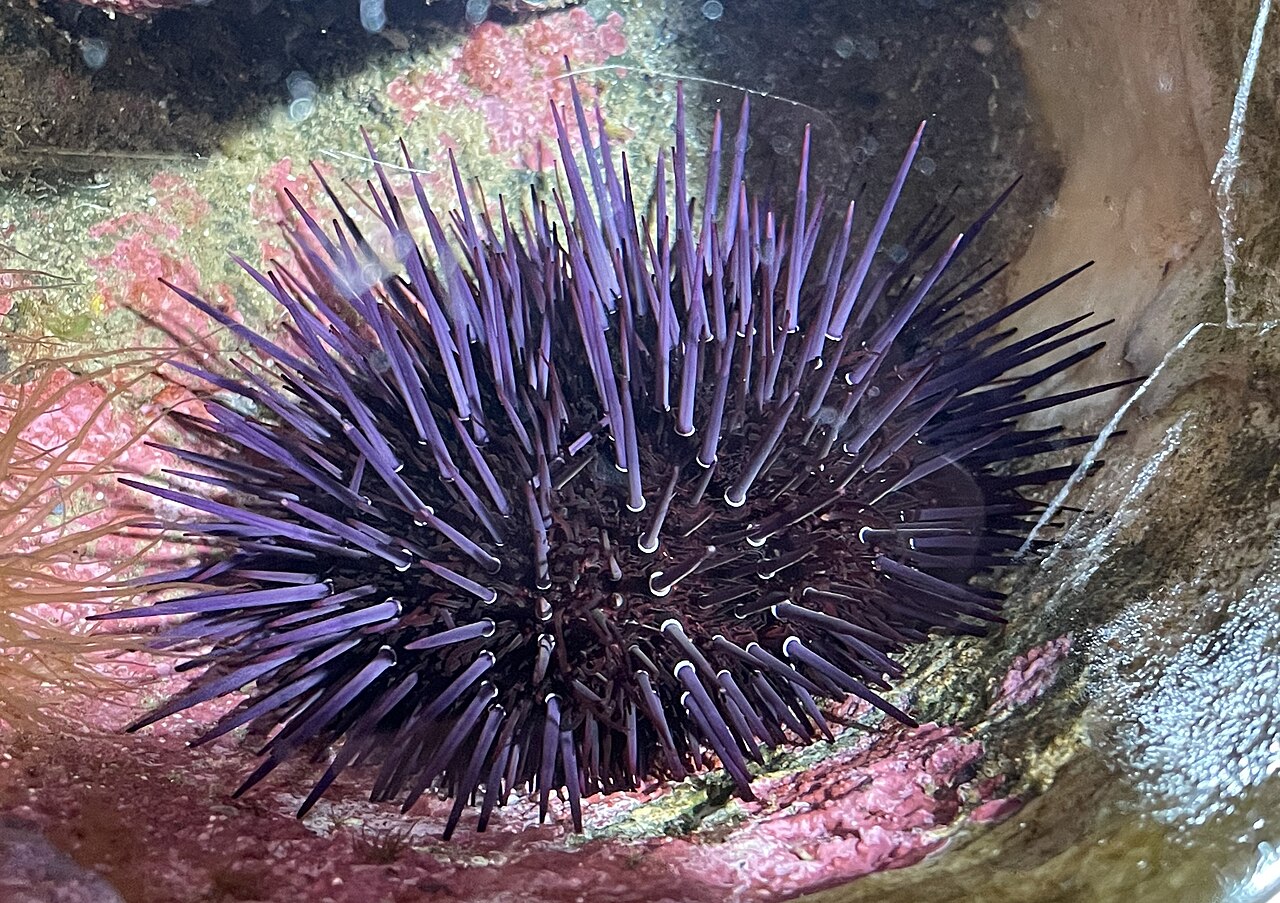
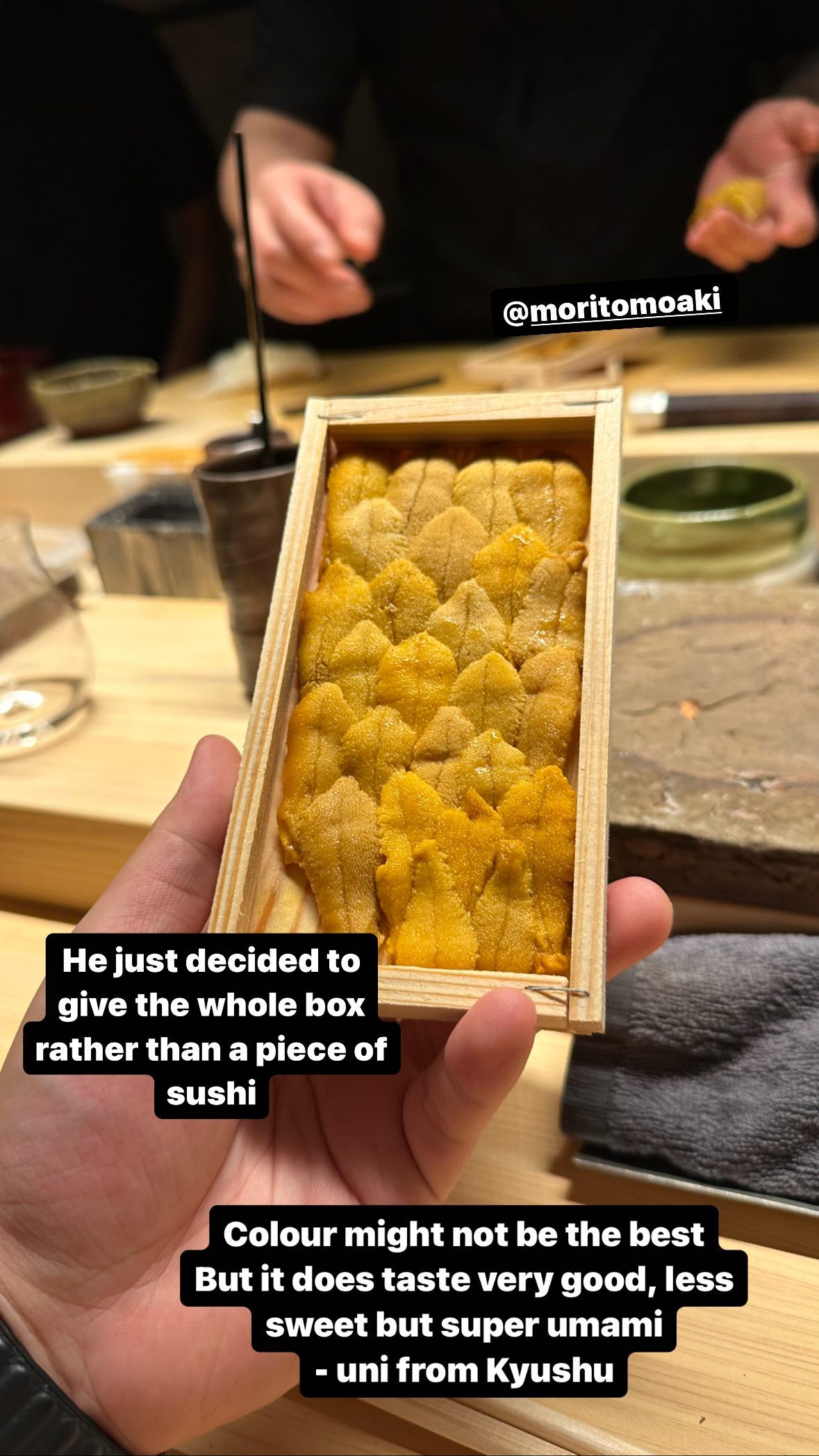
Uni is not one animal, and it is not roe. The edible part is the gonad of a male or female sea urchin. There are five lobes inside the shell, but their colour, size, firmness and flavour move with species, coast, feed, season, reproductive stage and the way the processor packs them.
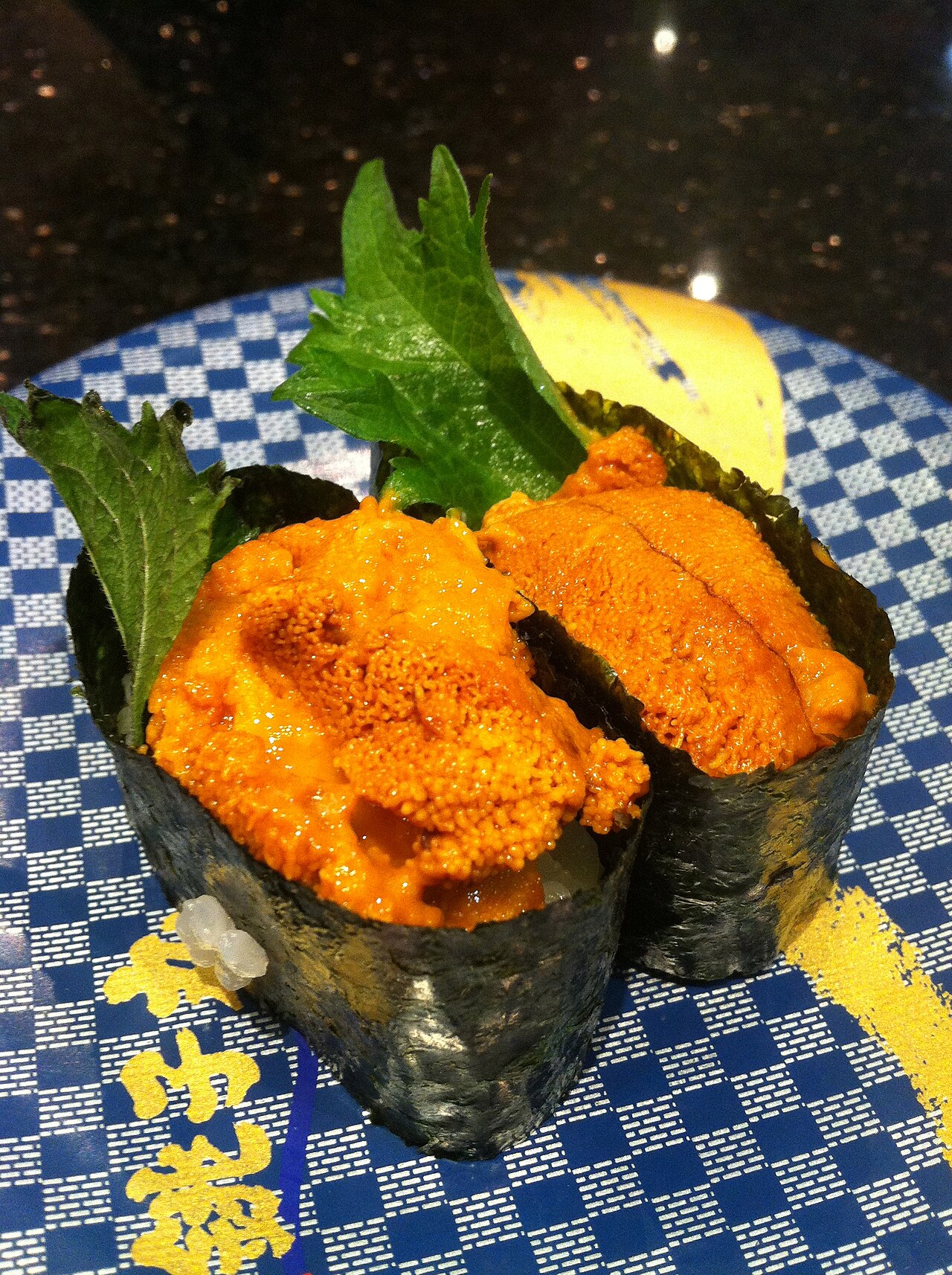
The edible lobesThis counter photograph is identified as ezo-bafun uni.
Cold Hokkaido and northern water
蝦夷馬糞海胆
えぞばふんうに · ezo-bafun uni
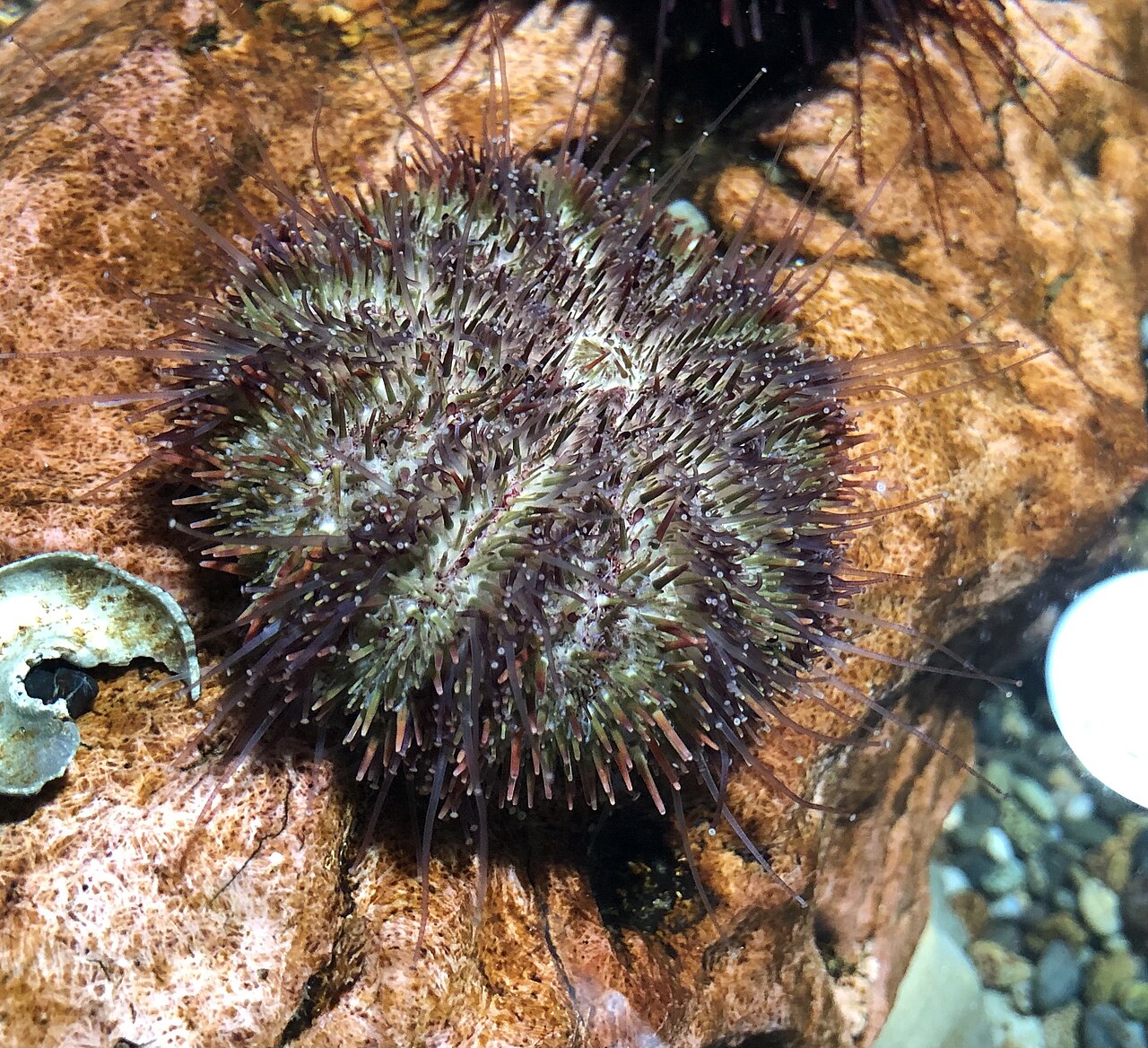
Ezo-bafun uniMesocentrotus intermedius
about 4–5 cm at harvest
At the counter: Compact lobes, usually deep yellow to orange.
This is one of the names most associated with Hokkaido boxes. The animal is short-spined and low-domed; what it eats, especially kelp, matters enormously.
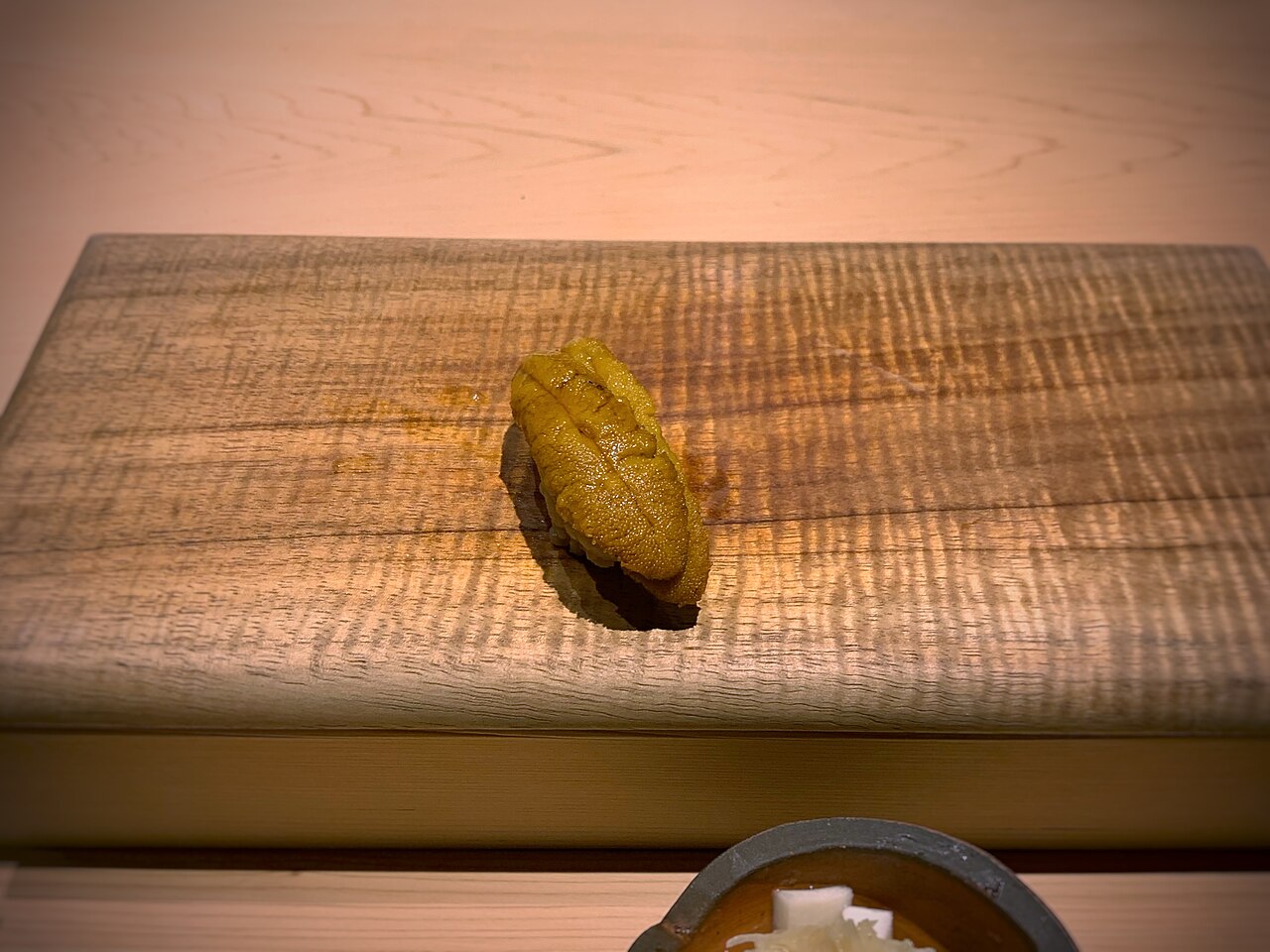
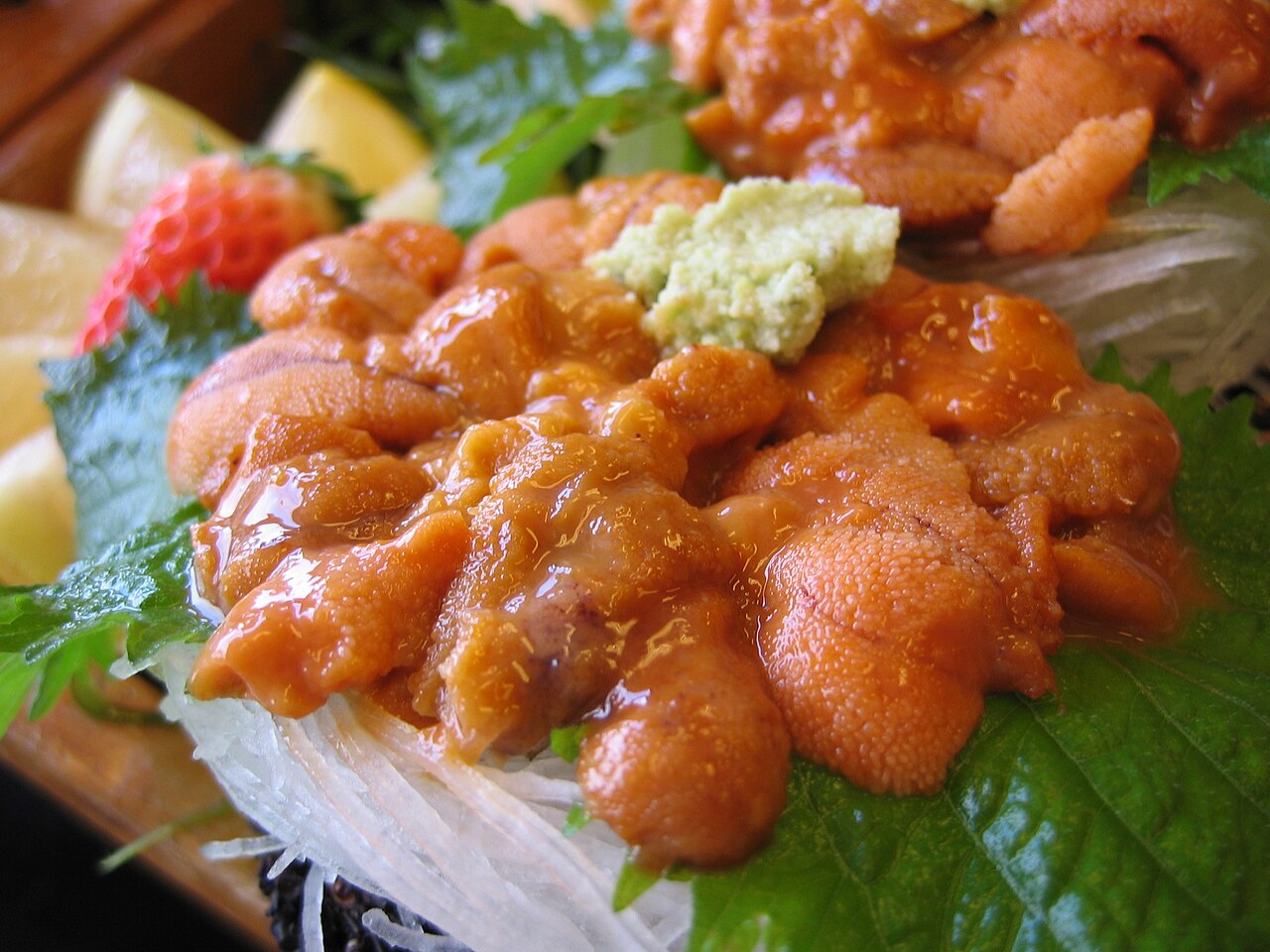
The edible lobesA real pale uni-lobe reference; the photograph is not species-verified as kita-murasaki.
Hokkaido and northern Honshu
北紫海胆
きたむらさきうに · kita-murasaki uni
Kita-murasaki uniMesocentrotus nudus
about 5 cm at harvest; capable of growing larger
At the counter: Often larger and paler than ezo-bafun.
At the counter this is the lighter side of the familiar Hokkaido pair. Pale colour is not weak flavour; good feed and timing can make it deeply sweet and aromatic.
The edible lobesThe photograph is identified as ezo-bafun, a useful reference for the looser bafun trade label.
Temperate Japanese coasts
馬糞海胆
ばふんうに · bafun uni
Bafun uniHemicentrotus pulcherrimus
roughly 3–5 cm
At the counter: Small, dense and often orange.
The undignified name describes the low brown shell, not the taste. In trade, bafun is also used loosely enough that a premium Hokkaido ezo-bafun may simply be called bafun.
The edible lobesA real deep-orange uni-lobe reference; the photograph is not species-verified as aka uni.
Western Honshu, Shikoku and Kyushu
赤海胆
あかうに · aka uni
Aka uniPseudocentrotus depressus
a scarce, medium-sized warm-water species
At the counter: Deep-coloured, concentrated and low-volume.
Aka uni is a real species name, but aka—red—can also be used by traders for lobe colour. The same word may be biological in one sentence and commercial shorthand in the next.
Cleaned lobes are drained, sorted and lined up. The tidy rows make colour, shape and breakage easy to judge. Alum—usually potassium aluminium sulfate—may be used to help fragile lobes hold together, but additive-free boxed uni also exists. A box does not automatically mean alum, bitterness or high grade.
水
塩水ウニ · ensui-uni / shio-mizu uni
Loose lobes in chilled saltwater
The liquid is a near-seawater-strength holding medium, not a sauce. Saltwater packs are commonly made without alum, so the texture can feel softer and juicier. They are drained before service, handled gently and used quickly because the lobes have less structural help.
散
並べ · narabe / バラ · bara
Presentation is another layer of sorting
Narabe describes neatly aligned intact lobes. Bara is looser or contains smaller and broken pieces. That changes appearance and price more directly than flavour. Salt-preserved shio-uni and paste-like neri-uni are different products again; neither should be confused with fresh uni held in saltwater.
Why uni can taste sweet, metallic or bitter
The species is only the beginning
Feed: kelp and other algae shift the amino-acid and aroma profile. Hokkaido sources explicitly connect good kelp feed with better flavour.
Timing: the gonad is reproductive tissue. Its volume and texture change as the animal approaches spawning.
Handling: damaged lobes leak and soften. Fast cleaning, cold storage and gentle drainage matter.
Alum: it can firm the surface and extend shape life, but excess treatment may add astringent, bitter or metallic notes. Bitterness can also come from age, diet or the individual animal.
Muscle, fat, time and acid
Why one fish eats nothing like another
The counter categories are useful, but they are a chef’s map rather than formal zoology. The real differences begin with what the animal does all day, where it stores energy and what happens after it is caught.
01
Pigment
Red muscle is working muscle
Tuna and katsuo swim almost continuously. Their aerobic muscle carries much more myoglobin, an oxygen-binding pigment, so the flesh looks red. A flatfish waits on the bottom and bursts forward; much of its muscle is pale and built for shorter efforts.
02
Energy
Fat is a moving target
Season is partly an energy story. Migration, feeding and spawning move lipid in and out of the muscle and organs. Winter buri, returning autumn katsuo and pre-spawn liver-rich kawahagi are not just calendar poetry; the animal’s energy budget has changed.
03
Time
Freshest is not always ready
Immediately after death, ATP is consumed, rigor develops and the muscle tightens. Resting can relax texture while ATP breakdown produces IMP, one part of savoury taste. The useful window depends on species, size, slaughter method, temperature and the chef’s intention.
04
Cure
Salt and vinegar rewrite the surface
Salt draws water and changes protein interactions. Vinegar lowers pH, firms or whitens the surface and supplies aroma. A thin shinko needs minutes where a larger, fattier fillet may need much longer. This is flavour and texture work, not a shortcut around safe sourcing.
One fish, read in two directions
The naka slice explains the tuna map
Along the body, a tuna is divided into kami near the head, naka through the centre and shimo near the tail. Through the naka, akami sits in the central loin, chūtoro wraps the fattier outer back and belly, and ōtoro gathers in the lower belly. It is not one flat stripe running from head to tail.
Original redraw using the SushiUniversity naka cross-section ↗ as the anatomical reference. The dashed contours are deliberately soft: wholesalers and chefs judge these borders in practice, and sections nearer the tail can be almost entirely akami.
The supporting cast is not background
Rice, acid, nori and seasoning
Great fish on dead-cold, overpacked rice is still disappointing sushi. These are the ingredients that control temperature, contrast, aroma and the way a piece comes apart.
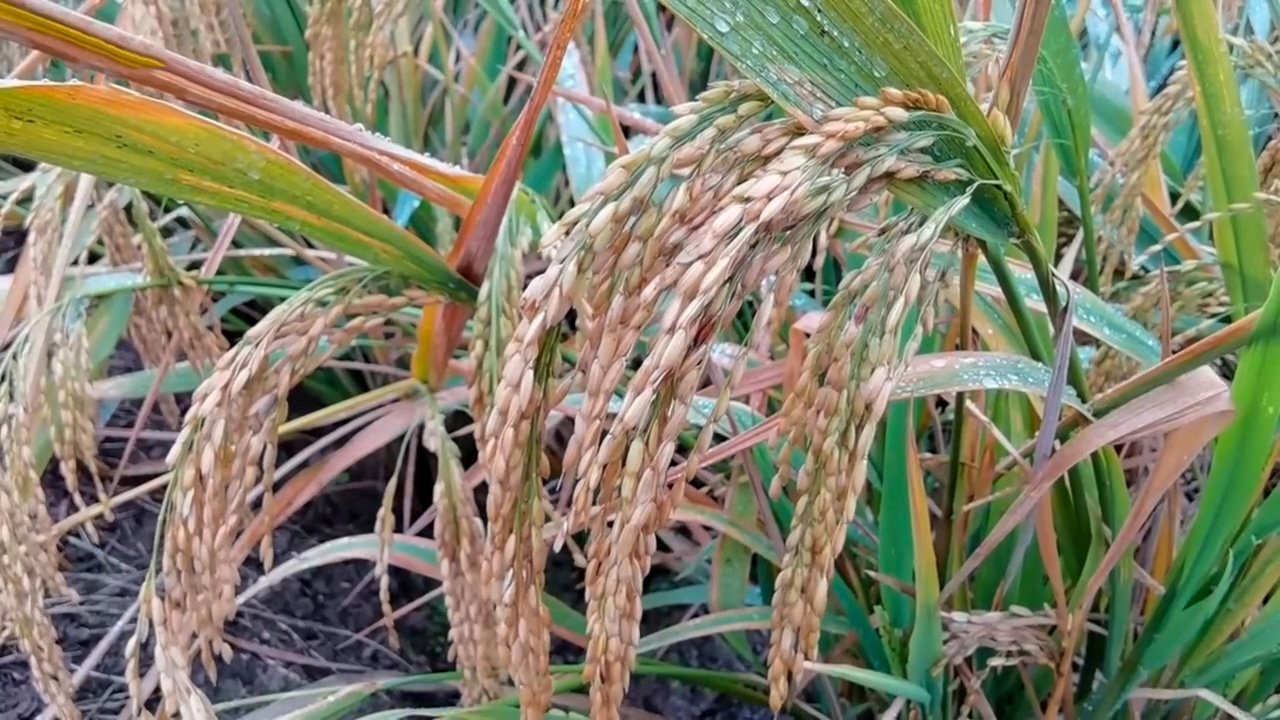
Short-grain rice is cooked so each grain holds together without becoming paste, then seasoned while hot. Temperature, moisture and compression change how quickly the rice falls apart in the mouth.
酢
Acidity, aroma and preservation history
酢 · す
Rice vinegar and red vinegar · soo
Komezu gives a clean rice-vinegar profile. Akazu, traditionally matured from sake lees, is darker and more savoury. Sugar and salt levels are house decisions, not one universal ratio.
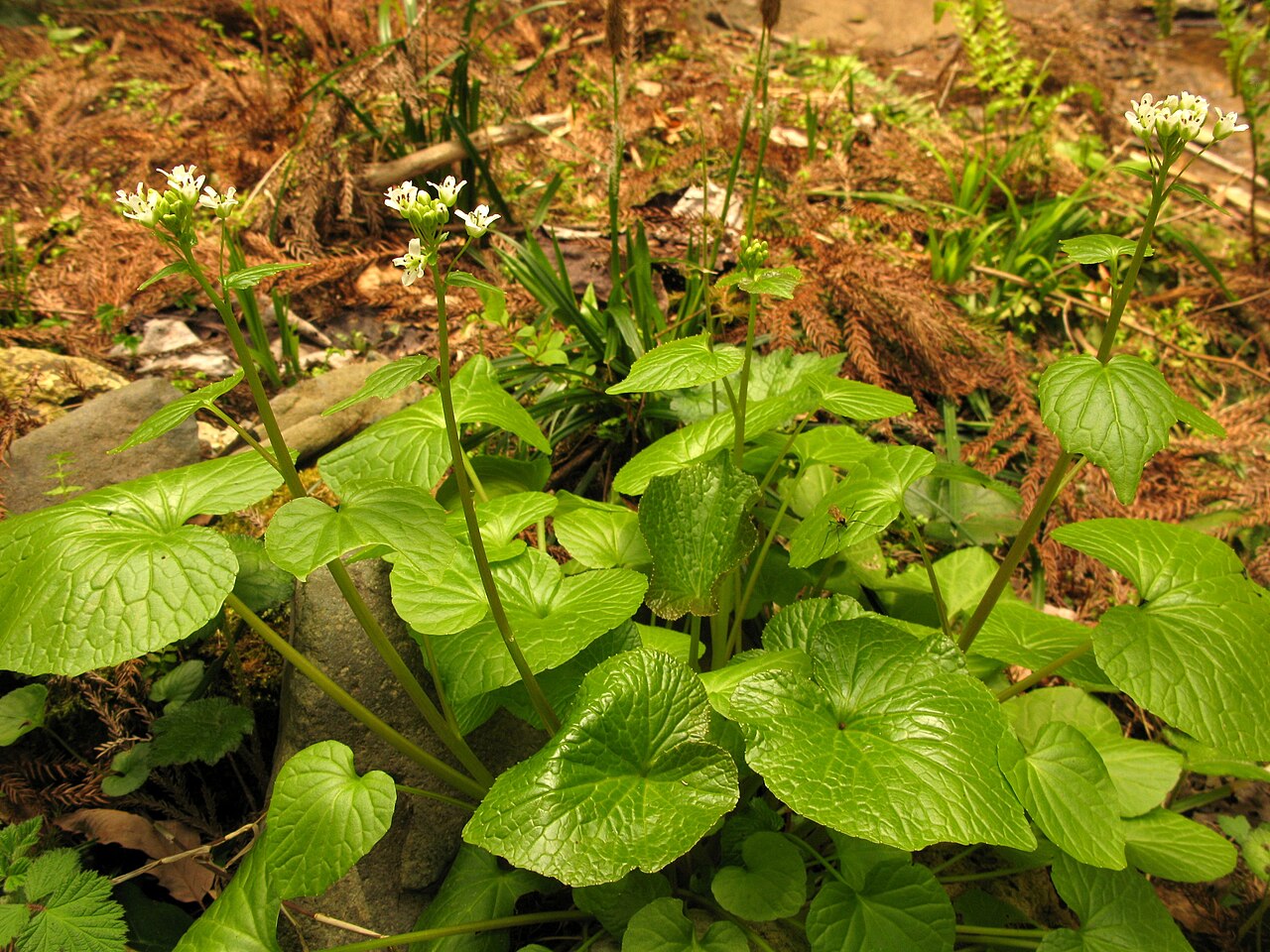
Grating ruptures cells and lets enzymes create isothiocyanates. The aroma peaks quickly, which is why freshly grated hon-wasabi tastes greener and less blunt than dyed horseradish paste.
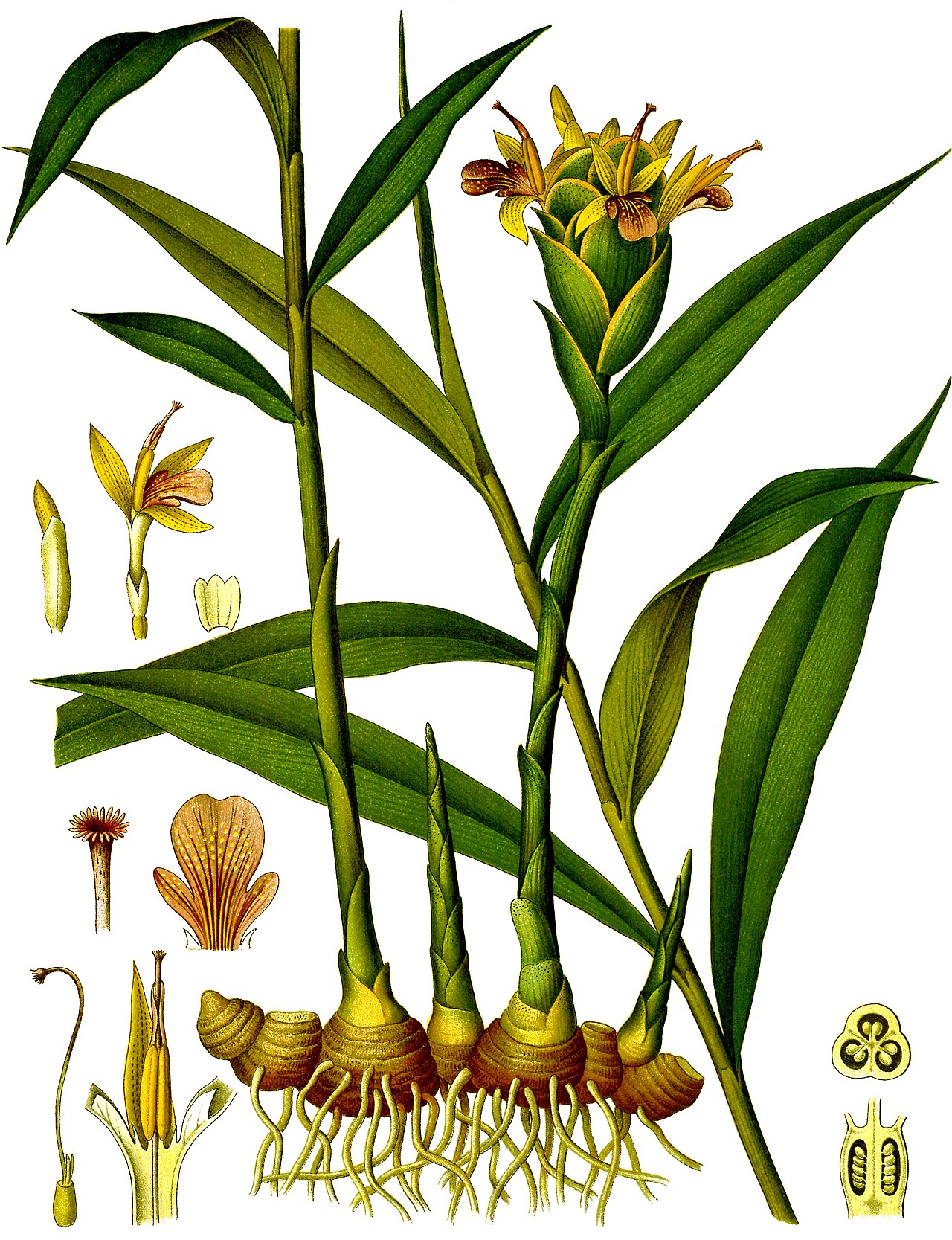
Young ginger is sliced and sweet-vinegar pickled. Its heat comes mainly from gingerols and related compounds rather than wasabi’s isothiocyanates.
醤
Salt, glutamate and the chef’s final seasoning
醤油 · しょうゆ
Soy sauce and nikiri · shoh-yoo
At the counter, a chef may brush on nikiri—a house-adjusted soy seasoning—so the diner does not need to soak the rice. Soy and fish nucleotides can amplify savoury perception together.
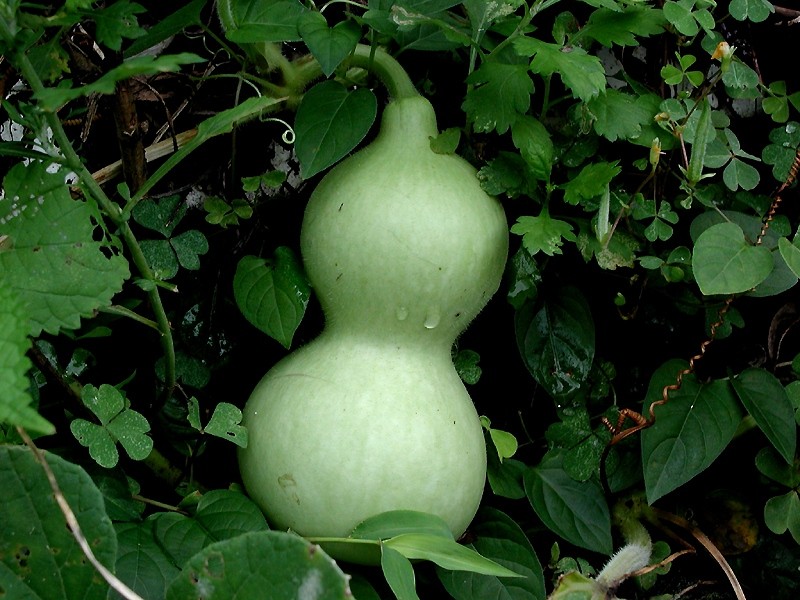
Bottle gourd is peeled into ribbons, dried, rehydrated and simmered in sweet soy seasoning. Kanpyō-maki is one of the classic Edo rolls rather than decorative filler.
My working ratio
Sushi rice mixture
A simple seasoning ratio I have been using as a starting point, not a universal house recipe.
50 g salt
90 g sugar
260 g vinegar
Akami seasoning
Zuke
Equal parts soy, nikiri mirin and nikiri sake for an akami zuke base.
1 part koikuchi soy sauce
1 part nikiri mirin
1 part nikiri sake
Important before making any of this
A cure is not a safety plan
Salt, vinegar, citrus, soy and a quick sear can change flavour and texture without reliably destroying parasites or every pathogen. Fish intended for raw service needs an appropriate, documented supply chain and parasite-control treatment where required. FDA guidance gives specific time-and-temperature freezing schedules and also lists limited exceptions; local law may differ.
Tuna, mackerel, bonito, sardine and some related fish also need rapid chilling. If bacteria have already converted histidine into histamine, later freezing, cooking, smoking or curing cannot remove it. When in doubt, this is the point to buy from a specialist rather than improvise.
I used the supplied sites for the counter vocabulary, then kept the species and image layers separate. That matters because sushi names are often cuts, ages or market names rather than biological species.
The whole-animal and prepared-food photographs are reusable works from Wikimedia Commons and carry their creator, file page and licence inside each atlas entry. The photographs from 市場魚貝類図鑑 are deliberately not copied because that site prohibits unauthorised image reuse. Where an exact reusable counter photo could not be found, the atlas labels the real reference photograph and names the mismatch plainly.